There’s a subtle but meaningful difference between being a tourist and being a traveler. At first glance, both sound the same—you pack your bags, go to a new place, and return with memories. But the way you experience a destination can change everything.
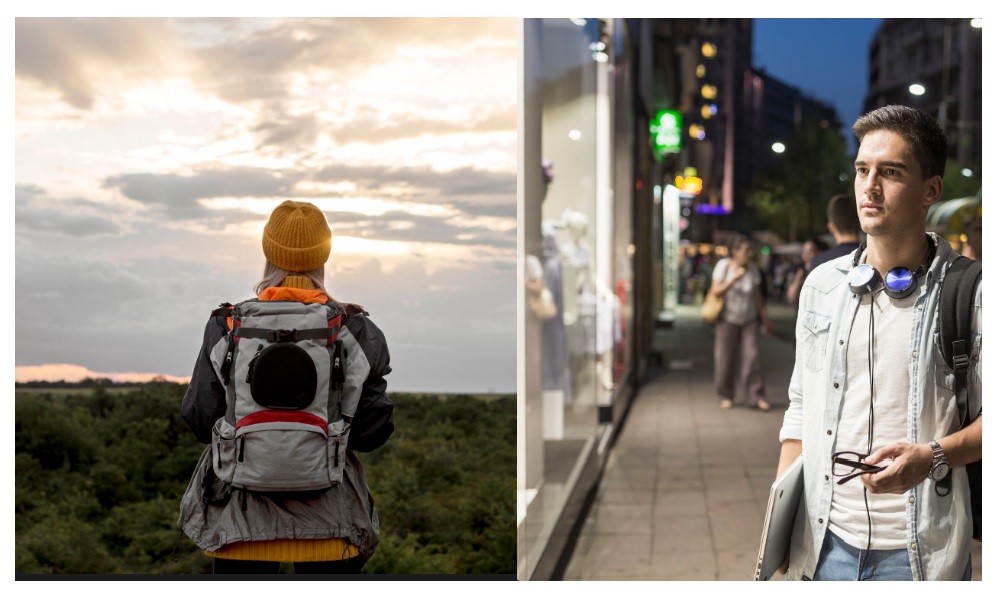
A tourist often seeks comfort and familiarity. They visit the most popular landmarks, click a few pictures, stay in star-rated hotels, and enjoy buffet spreads that taste the same in every city. The trip is enjoyable, but it remains on the surface.
A traveler, on the other hand, looks beyond checklists. For them, every village, street, and sunrise holds meaning. Instead of ticking off “must-see” spots, they connect with people, stories, and traditions. They may sleep in tents, homestays, or even under the stars—waking up not to an alarm clock, but to birdsong and the warmth of a rising sun.
Being a traveler doesn’t mean giving up comfort entirely—it means choosing experiences over convenience. It’s sitting with locals over a cup of freshly brewed Malnad filter coffee, hearing stories that no guidebook can tell. It’s walking through paddy fields, getting your shoes muddy, and realizing that every step connects you to the land.
Travelers open themselves up to the unknown—new foods, languages, and ways of life. This openness creates memories that last much longer than a photograph of a monument. In the end, traveling is less about how far you go, and more about how deeply you connect.
So, the question is: when you next step out—will you be a tourist who sees, or a traveler who truly feels?